" width="43.9999991302804px"><path d="M 7.333 0.002 C 7.633 -0.008 7.787 0.018 8.036 0.193 C 8.002 0.618 7.851 0.976 7.688 1.367 L 7.513 1.799 L 7.422 2.02 C 6.754 3.652 6.114 5.295 5.544 6.964 L 6.63 6.836 L 6.646 6.465 C 6.705 5.731 6.946 5.118 7.512 4.629 C 8.115 4.207 8.868 4.146 9.573 4.265 C 10.135 4.392 10.559 4.647 10.91 5.112 C 11.345 5.941 11.444 6.953 11.221 7.866 C 10.994 8.534 10.641 8.987 10.016 9.327 C 9.328 9.591 8.677 9.59 7.983 9.355 C 7.417 9.099 7.081 8.671 6.83 8.114 C 6.697 7.768 6.629 7.399 6.63 7.028 L 6.466 7.089 C 6.241 7.157 6.042 7.181 5.808 7.196 L 5.585 7.21 L 5.417 7.219 L 5.398 7.331 C 5.363 7.528 5.326 7.725 5.289 7.922 L 5.262 8.073 C 5.232 8.237 5.201 8.401 5.17 8.565 L 5.14 8.728 L 5.11 8.882 L 5.084 9.021 C 5.034 9.136 5.034 9.136 4.913 9.215 C 4.778 9.263 4.778 9.263 4.587 9.263 L 4.602 9.013 C 4.602 8.665 4.493 8.41 4.343 8.102 L 4.274 7.953 C 4.175 7.741 4.071 7.531 3.963 7.324 C 3.884 7.156 3.884 7.156 3.884 6.964 L 3.712 6.952 C 3.154 6.87 2.63 6.599 2.132 6.346 L 2.008 6.283 L 1.712 6.134 L 1.626 6.302 C 1.471 6.603 1.316 6.904 1.161 7.205 C 1.026 7.466 0.891 7.727 0.756 7.988 C 0.691 8.112 0.628 8.237 0.564 8.362 L 0.445 8.59 L 0.341 8.793 C 0.243 8.944 0.243 8.944 0.051 9.008 C -0.023 8.789 -0.016 8.699 0.071 8.481 C 0.113 8.4 0.156 8.321 0.199 8.242 L 0.341 7.97 L 0.418 7.823 C 0.564 7.539 0.701 7.252 0.838 6.964 L 0.919 6.795 C 1.072 6.476 1.209 6.148 1.329 5.814 C 1.298 5.788 1.268 5.761 1.236 5.734 C 0.852 5.393 0.562 4.946 0.468 4.435 C 0.458 4.147 0.49 3.925 0.69 3.706 C 0.996 3.497 1.275 3.393 1.648 3.451 C 1.869 3.544 2.078 3.653 2.287 3.77 L 2.312 3.632 C 2.351 3.451 2.404 3.282 2.464 3.107 L 2.532 2.909 L 2.672 2.504 C 2.899 1.836 3.075 1.216 2.926 0.513 C 2.576 0.578 2.238 0.645 1.904 0.768 L 1.904 0.576 C 2.021 0.478 2.021 0.478 2.175 0.381 L 2.328 0.283 C 2.636 0.1 2.879 0.005 3.245 0.066 C 3.425 0.18 3.533 0.258 3.628 0.449 C 3.733 1.377 3.473 2.287 3.071 3.12 L 2.985 3.306 C 2.928 3.424 2.868 3.54 2.805 3.654 C 2.719 3.834 2.673 3.955 2.67 4.154 C 2.784 4.365 2.923 4.533 3.079 4.716 C 3.359 5.046 3.535 5.437 3.728 5.822 L 3.85 6.058 C 4.139 6.625 4.139 6.625 4.139 6.773 L 5.097 6.9 L 5.229 6.504 C 5.523 5.615 5.822 4.727 6.127 3.842 C 6.791 1.941 6.791 1.941 7.333 0.002 Z M 0.754 4.089 C 0.745 4.562 0.931 4.769 1.251 5.105 C 1.394 5.247 1.394 5.247 1.584 5.367 C 1.686 5.159 1.788 4.951 1.89 4.743 C 1.979 4.55 1.979 4.55 1.958 4.391 C 1.861 4.193 1.711 4.126 1.52 4.025 C 1.245 3.952 0.998 3.916 0.754 4.089 Z M 2.351 4.728 L 1.904 5.686 C 2.684 6.246 2.684 6.246 3.565 6.516 C 3.459 6.217 3.302 5.962 3.133 5.694 L 3.053 5.562 C 2.865 5.263 2.663 4.98 2.415 4.728 L 2.351 4.728 Z M 7.752 5.315 C 7.42 5.771 7.367 6.253 7.377 6.804 L 7.376 6.975 C 7.381 7.596 7.457 8.107 7.908 8.561 C 8.353 8.887 8.778 8.917 9.313 8.88 C 9.709 8.796 10.052 8.598 10.283 8.257 C 10.687 7.522 10.678 6.644 10.457 5.854 C 10.322 5.463 10.095 5.22 9.76 4.983 C 9.099 4.711 8.26 4.777 7.752 5.315 Z M 4.267 7.091 L 4.451 7.586 L 4.503 7.728 L 4.554 7.865 L 4.6 7.99 C 4.653 8.12 4.716 8.244 4.778 8.369 L 5.097 7.155 Z M 29.242 0.066 C 29.414 0.205 29.526 0.316 29.625 0.513 C 29.731 1.603 29.36 2.596 28.96 3.593 L 28.895 3.756 L 28.836 3.9 C 28.785 4.034 28.785 4.034 28.794 4.217 L 28.867 4.117 C 29.318 3.499 29.769 2.885 30.263 2.301 L 30.428 2.101 C 30.81 1.641 31.215 1.21 31.637 0.788 L 31.788 0.637 C 32.226 0.204 32.226 0.204 32.435 0.066 C 32.579 0.085 32.579 0.085 32.691 0.13 C 32.787 0.427 32.705 0.622 32.587 0.896 C 32.17 1.941 31.999 3.043 31.86 4.154 L 31.994 3.994 C 32.985 2.815 33.987 1.741 35.278 0.888 L 35.387 0.815 C 35.615 0.669 35.807 0.603 36.076 0.576 C 36.151 0.713 36.151 0.713 36.204 0.896 C 36.136 1.069 36.136 1.069 36.02 1.267 C 34.862 3.406 34.098 6.803 34.799 9.199 C 35.016 9.768 35.239 10.084 35.753 10.401 C 36.396 10.647 37.073 10.479 37.684 10.24 C 37.872 10.16 37.872 10.16 38.056 10.03 L 38.312 10.03 L 38.312 10.285 C 38.136 10.37 37.96 10.453 37.785 10.537 L 37.634 10.609 L 37.488 10.678 L 37.355 10.742 C 36.798 10.976 35.99 10.954 35.414 10.805 C 35.263 10.734 35.121 10.646 34.99 10.541 L 34.865 10.442 C 34.295 9.935 34.035 9.112 33.968 8.369 C 33.852 5.936 34.305 3.364 35.501 1.215 C 34.62 1.955 33.757 2.699 33.01 3.579 L 32.846 3.768 C 32.725 3.91 32.604 4.054 32.485 4.198 C 32.376 4.331 32.267 4.449 32.144 4.57 C 31.618 5.134 31.609 5.816 31.531 6.556 C 31.489 6.935 31.412 7.218 31.202 7.539 C 31.094 7.603 31.094 7.603 30.902 7.611 C 30.711 7.539 30.711 7.539 30.587 7.347 C 30.395 6.779 30.667 6.202 30.902 5.686 L 30.997 5.532 C 31.274 5.072 31.343 4.709 31.358 4.178 C 31.388 3.573 31.442 2.982 31.541 2.385 L 31.573 2.187 C 31.632 1.839 31.706 1.493 31.797 1.151 C 31.295 1.64 30.825 2.133 30.391 2.684 L 30.208 2.91 C 29.807 3.4 29.425 3.906 29.063 4.426 C 28.988 4.534 28.912 4.64 28.836 4.745 C 28.472 5.26 28.172 5.806 27.88 6.365 C 27.843 6.436 27.806 6.508 27.767 6.582 C 27.408 7.282 27.111 7.969 27.006 8.752 C 26.583 8.705 26.583 8.705 26.367 8.561 C 26.407 8.317 26.479 8.116 26.583 7.893 L 26.68 7.681 L 26.787 7.451 C 28.513 4.16 28.513 4.16 28.922 0.64 C 28.849 0.554 28.849 0.554 28.655 0.561 C 28.396 0.578 28.252 0.643 28.028 0.768 L 27.9 0.768 C 27.923 0.589 27.949 0.525 28.09 0.406 L 28.244 0.309 L 28.397 0.211 C 28.651 0.06 28.952 0.009 29.242 0.066 Z M 28.602 4.345 L 28.666 4.473 M 31.221 5.878 C 30.989 6.29 30.861 6.619 30.838 7.092 L 31.094 7.092 C 31.23 6.692 31.259 6.299 31.285 5.878 Z M 18.52 4.569 C 18.941 4.907 19.209 5.326 19.321 5.853 L 19.37 6.072 C 19.414 6.387 19.405 6.709 19.405 7.027 L 15.892 7.027 C 16.036 7.892 16.036 7.892 16.495 8.584 C 16.901 8.842 17.273 8.864 17.745 8.816 C 18.156 8.701 18.385 8.442 18.639 8.113 L 18.766 7.985 L 19.278 8.241 C 19.169 8.674 18.84 9.003 18.47 9.246 C 17.878 9.549 17.256 9.606 16.609 9.443 C 16.102 9.257 15.668 8.886 15.431 8.401 C 15.066 7.523 15.028 6.363 15.365 5.468 C 15.611 4.96 15.975 4.55 16.51 4.342 C 17.208 4.135 17.904 4.152 18.52 4.569 Z M 16.212 5.367 C 15.967 5.743 15.945 5.973 15.892 6.452 L 18.639 6.452 C 18.58 5.863 18.526 5.553 18.168 5.119 C 17.561 4.628 16.692 4.782 16.211 5.367 Z" fill="rgb(0, 0, 0)" height="10.917437449222685px" id="AGutxb3Yn" transform="translate(0 0)" width="38.31175535682081px"/><path d="M 27.593 2.235 C 27.757 2.233 27.922 2.231 28.086 2.229 C 28.232 2.235 28.232 2.235 28.296 2.299 C 28.302 2.406 28.305 2.513 28.305 2.619 L 28.306 2.826 L 28.307 3.051 L 28.312 3.522 C 28.314 3.771 28.316 4.018 28.317 4.267 C 28.318 4.506 28.32 4.744 28.323 4.983 L 28.323 5.206 C 28.329 5.655 28.376 6.061 28.615 6.451 C 28.901 6.701 29.165 6.729 29.533 6.724 C 29.854 6.691 30.101 6.584 30.31 6.334 C 30.637 5.836 30.679 5.377 30.686 4.793 L 30.689 4.571 C 30.693 4.338 30.696 4.105 30.699 3.872 L 30.706 3.397 C 30.713 3.01 30.718 2.623 30.723 2.235 L 31.426 2.235 L 31.489 7.281 L 30.851 7.281 L 30.723 6.643 L 30.564 6.85 C 30.249 7.217 29.859 7.381 29.382 7.419 C 28.878 7.44 28.475 7.331 28.08 7.01 C 27.733 6.682 27.606 6.297 27.585 5.822 L 27.586 5.622 L 27.586 5.393 L 27.587 5.148 L 27.587 4.896 L 27.589 4.235 L 27.59 3.559 C 27.591 3.118 27.592 2.676 27.593 2.235 Z M 4.407 1.214 L 4.982 1.214 L 4.982 2.299 L 6.196 2.299 L 6.196 2.938 L 4.982 2.938 C 4.988 3.423 4.995 3.909 5.002 4.394 L 5.009 4.89 C 5.012 5.127 5.016 5.364 5.02 5.602 L 5.022 5.825 L 5.025 6.034 L 5.028 6.218 C 5.047 6.403 5.091 6.541 5.174 6.707 C 5.369 6.804 5.574 6.777 5.788 6.774 L 5.925 6.774 C 6.037 6.773 6.148 6.772 6.26 6.77 L 6.26 7.345 C 5.114 7.539 5.114 7.539 4.611 7.237 C 4.212 6.816 4.254 6.338 4.261 5.789 L 4.261 5.541 C 4.262 5.326 4.264 5.11 4.266 4.895 C 4.269 4.242 4.273 3.59 4.28 2.938 L 3.577 2.938 L 3.577 2.299 L 4.28 2.299 Z M 12.2 0.064 L 12.902 0.064 L 12.902 7.345 L 12.2 7.345 Z M 33.023 0 L 33.725 0 L 33.725 7.281 L 33.023 7.281 Z M 35.003 2.235 L 35.642 2.235 L 35.642 7.281 L 35.003 7.281 Z M 1.342 0.224 L 1.549 0.235 L 1.757 0.244 L 1.916 0.255 C 1.885 0.538 1.797 0.66 1.593 0.854 L 1.436 1.004 C 1.252 1.173 1.066 1.339 0.875 1.5 C 0.757 1.6 0.757 1.6 0.639 1.752 C 0.435 1.911 0.252 1.869 0 1.852 C 0.038 1.643 0.107 1.522 0.243 1.359 L 0.352 1.227 L 0.467 1.09 L 0.69 0.821 L 0.798 0.693 C 0.904 0.566 0.904 0.566 1.024 0.384 C 1.15 0.255 1.15 0.255 1.342 0.224 Z M 30.448 0.179 L 30.64 0.184 L 30.787 0.191 C 30.739 0.631 30.411 0.869 30.112 1.169 L 29.941 1.349 C 29.527 1.768 29.527 1.768 29.29 1.826 C 29.149 1.826 29.149 1.826 28.934 1.788 C 28.974 1.568 29.056 1.437 29.193 1.262 L 29.313 1.11 L 29.438 0.953 L 29.561 0.796 C 30.057 0.165 30.057 0.165 30.448 0.179 Z M 35.003 0.128 L 35.642 0.128 L 35.642 1.022 L 35.003 1.022 Z" fill="rgb(0, 0, 0)" height="7.479521951991309px" id="sg9LEzmJ7" transform="translate(8.358 2.134)" width="35.641538703949834px"/></g></svg>)

Iceland's otherworldly waterfalls, black sand beaches, and shimmering northern lights draw millions of visitors each year, but the island's reputation for sky-high prices often scares budget-conscious travelers away before they even book a flight. The good news? A well-planned Iceland budget travel guide can help you experience glaciers, geysers, and the Ring Road without draining your savings account. In 2026, costs remain steep compared to most of Europe, yet thousands of travelers still manage to explore the country on a shoestring using the right strategies.
This guide breaks down exactly what you'll spend on flights, accommodation, car rentals, food, and activities, with real numbers in USD and ISK to help you plan with confidence. You'll find practical tips on timing your trip, choosing the right lodging, stretching your grocery budget at Bónus, and picking free attractions that rival the paid ones. Whether you're planning a quick long weekend in Reykjavík or a full self-drive adventure around the Ring Road, this guide will show you how to make Iceland affordable in 2026.
How Much Does a Trip to Iceland Cost in 2026?
Iceland has long carried a reputation as one of the most expensive destinations in Europe, and that holds true in 2026. High import taxes, a small domestic market, strong currency value, and a short tourist season all push prices upward. However, with smart planning, a budget trip is still very achievable. Understanding your likely Iceland trip cost before you go is the first step toward building a realistic travel budget.
Average Daily Budget: Shoestring vs Mid-Range vs Comfort
Your daily spending will largely depend on your travel style:
● Shoestring travelers: around $80–100 USD per day, relying on camping, hostels, self-catering, and public transport.
● Mid-range travelers: approximately $150–220 USD per day, mixing guesthouses, car rentals, and occasional restaurant meals.
● Comfort travelers: $280 USD and up per day, including hotels, guided tours, and frequent dining out.
These figures make this budget travel guide useful for nearly every type of visitor planning a trip to Iceland in 2026.
Quick Cost Breakdown Table (ISK & USD)
The table below summarizes average daily costs by category, shown in both ISK and USD, to help you estimate your total trip expenses quickly.
Category | Shoestring | Mid-Range | Comfort |
Flights (round trip) | 45,000 ISK / $320 | 60,000 ISK / $430 | 90,000 ISK / $650 |
Accommodation (per night) | 6,000 ISK / $43 | 18,000 ISK / $130 | 40,000 ISK / $290 |
Food (per day) | 5,000 ISK / $36 | 10,000 ISK / $72 | 20,000 ISK / $145 |
Car rental (per day) | 7,000 ISK / $50 | 12,000 ISK / $86 | 20,000 ISK / $145 |
Activities (per day) | 3,000 ISK / $22 | 8,000 ISK / $58 | 20,000 ISK / $145 |
Fixed costs like car rental become significantly cheaper per day as your trip length increases, since rental agencies often offer discounted weekly or multi-day rates. A longer itinerary helps dilute these expenses across more days, lowering your overall Iceland trip cost without sacrificing experience.
Cheap Flights to Iceland
Finding affordable flights to Iceland in 2026 starts with understanding the airline landscape. While the now-defunct Wow Air once revolutionized budget travel to the island with rock-bottom fares, today's market still offers plenty of savings for savvy travelers willing to plan ahead and stay flexible with dates.
Best Airlines and Booking Strategies
Icelandair remains the dominant carrier, often competing aggressively on price for routes connecting North America and Europe to Reykjavík. Budget-conscious travelers should compare fares across multiple booking platforms and set price alerts.
● Book flights 2 to 4 months in advance for optimal pricing
● Use fare comparison tools and flexible date calendars
● Subscribe to airline newsletters for flash sales
● Consider nearby alternate airports for cheaper connections
Peak Season vs Off-Season Flight Prices
Flying during peak season (June through August) typically means higher fares and crowded flights. Instead, target the shoulder season—April, May, September, or October—when prices to Reykjavík drop significantly while weather remains manageable. Additionally, Icelandair's generous stopover program lets travelers combine Iceland with another European or North American destination at no extra airfare cost, maximizing value for multi-stop itineraries.
Budget Accommodation Options in Iceland
Finding affordable accommodation is the single biggest factor in controlling your Iceland travel budget. Prices vary dramatically depending on where you sleep, so comparing your options before booking can save you hundreds of dollars over a one or two-week trip.
● Camping: $15–25 per night per person
● Hostels (dorm beds): $35–55 per night
● Guesthouses (private rooms, shared bathroom): $80–120 per night
● Mid-range hotels: $150–300+ per night
Camping and Campervan Rental
Iceland boasts an extensive network of campsites, from basic rural pitches to full-service grounds with showers and kitchens. Booking a campervan rental Iceland trip cleverly merges transport and accommodation into one cost, eliminating the need for separate car hire and lodging bookings. Many budget travelers find this the most efficient way to explore the Ring Road while sleeping legally and comfortably each night.
Purchasing a Camping Card before your trip grants access to over 40 campsites nationwide for a flat fee, often paying for itself after just four or five nights. This makes it one of the smartest investments for multi-week itineraries.
Hostels, Shared Bathroom Hotels & Guesthouses
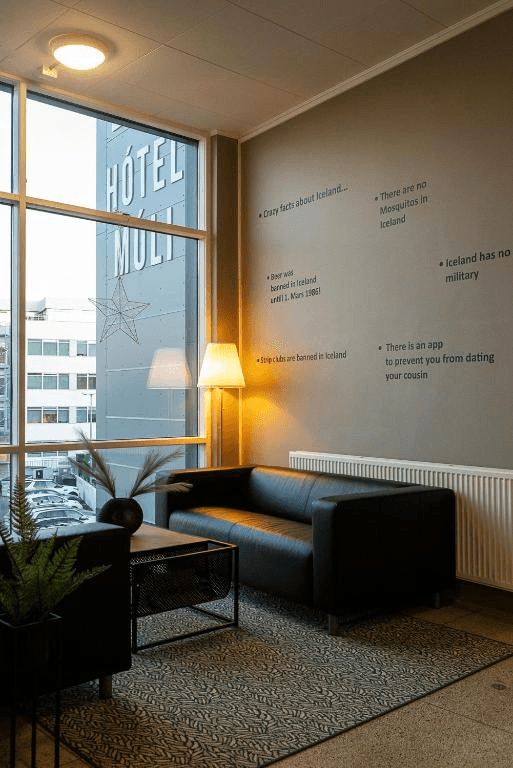
For travelers who prefer four walls over a tent, hostels remain the cheapest indoor option, particularly in Reykjavík where competition keeps dorm prices reasonable. Along the Ring Road, shared bathroom hotels offer a comfortable middle ground—private rooms without the premium cost of en-suite facilities. These no-frills hotels and guesthouses are widely available in smaller towns and often include breakfast, making them excellent value for budget-conscious itineraries in 2026. If you plan to base yourself in the capital, a hotel in Reykjavík with breakfast included, free parking and a free laundry room takes care of several small daily costs that quietly add up on a budget trip.
Transportation: Car Rental, Fuel & Self-Drive Tips
For most budget travelers, a self-drive trip offers the best balance between cost and flexibility. In 2026, a compact rental car starts around 7,000-9,500 ISK (roughly $50-70 USD) per day in low season, climbing to 12,000-18,000 ISK during summer. Booking three to six months ahead and choosing smaller local agencies over major international brands can save 20-30% on total costs.
Car Rental Insurance and Hidden Fees
Car rental insurance is non-negotiable in Iceland due to gravel roads, volcanic ash, and unpredictable weather. Basic Collision Damage Waiver (CDW) is usually included, but gravel and sand protection often cost extra. Budget travelers should watch for these common hidden fees:
● Gravel Protection (GP): 1,500-2,500 ISK/day
● Sand and Ash Protection (SAAP): 1,000-2,000 ISK/day
● Young driver surcharge (under 25): up to 2,000 ISK/day
● Additional driver fees: 800-1,500 ISK/day
● Airport pickup fee: 1,500-3,000 ISK flat rate
Gas Prices and Fuel-Saving Tips on the Ring Road
Fuel prices in 2026 average 320-350 ISK per liter (around $2.30-2.50 USD), making fuel costs a major budget line. A full Ring Road trip (1,332 km) typically requires 120-150 liters, totaling $280-375 USD. Save money by comparing prices between N1, Orkan, and Olís at each gas station, using apps like GSMBensin, and driving at steady speeds to reduce consumption.
Compared to guided tours averaging $150-250 per day per person, self-drive trips split among two or three travelers often cost 30-40% less. Travelers without a car can rely on Stræto buses or the seasonal Reykjavík Excursions network for affordable regional connections.
Food and Grocery Costs in Iceland
Dining out in Iceland can quickly drain your travel budget, with restaurant meals averaging $25-$40 per person. For a week-long trip, choosing to shop at a grocery store instead of eating every meal out can save travelers hundreds of dollars. Smart budget travelers mix occasional restaurant treats with self-catered meals to keep costs manageable while still enjoying Iceland's culinary scene.
Shopping at Bónus and Krónan Supermarkets
Bónus Supermarket Iceland is the undisputed budget champion, easily recognized by its pink piggy logo and rock-bottom prices on essentials like bread, skyr, and pasta. Krónan offers a close alternative, often with slightly better quality produce and a wider selection, though prices run a bit higher. Both chains are widely available in Reykjavik and smaller towns, making self-catering practical even on a road trip.
● Bónus loaf of bread: approximately $2.50
● Krónan skyr yogurt: approximately $1.80
● Restaurant dinner plate: $25-$40
● Icelandic hot dog: $4-$6
Eating Out Cheaply: Hot Dogs and Tap Water
When you do eat out, the Icelandic hot dog remains the cheapest and most beloved local meal, sold at stands across Reykjavik for a fraction of restaurant prices. Pair it with Iceland's tap water, which is naturally filtered, completely free, and some of the cleanest in the world. Skip bottled water entirely—refilling a reusable bottle from any supermarket sink or public tap saves money and reduces plastic waste throughout your trip.
Affordable Activities, Tours and Attractions
Free and Low-Cost Nature Experiences
Iceland's greatest treasures often cost nothing at all. Budget travelers in 2026 can still fill their itineraries with jaw-dropping sights without spending a single króna on entry fees. Consider adding these free stops to your route:
● Skógafoss – a thundering 60-meter waterfall you can walk right up to, with a staircase leading to panoramic views above
● Þingvellir National Park – a UNESCO World Heritage Site where you can walk between tectonic plates
● Hallgrímskirkja – Reykjavik's iconic church, free to enter (though the tower view costs a small fee)
● Reynisfjara black sand beach – dramatic basalt columns and crashing Atlantic waves
Budget Alternatives to the Blue Lagoon
The Blue Lagoon remains iconic, but 2026 entry prices start around $65-70, climbing well past $100 with packages. The Sky Lagoon offers a comparable geothermal experience from roughly $55, with stunning ocean views and shorter queues. For independent exploration, skip pricey guided buses and opt for a self-drive Golden Circle route or a budget Snaefellsness Peninsula trip, renting a car for under $50/day. Finally, bundle savings by booking combo packages pairing a glacier trek with an evening northern lights tour—often 15-20% cheaper than booking separately. Without a car, a few well-chosen day tours from Reykjavík, such as the Golden Circle, the Snæfellsnes Peninsula or a northern lights evening, can work out cheaper than renting a vehicle for a single day.
Best Season to Save Money in Iceland
Summer vs Winter Travel Costs
Choosing when to visit is one of the biggest factors in how much your trip will cost. Peak season, from June to August, brings long daylight hours and easier road access, but also the highest prices on flights, accommodation, and car rentals. Winter offers dramatically lower rates and the chance to see the northern lights, though shorter days and unpredictable weather require more flexible planning. The real sweet spot for 2026 travelers is shoulder season—April to May and September to October—when prices drop significantly compared to summer, yet conditions remain manageable for exploring most regions.
Off-season travel is the smartest way to save money Iceland-style. Hotels and guesthouses often cut rates by 30–50% outside peak months, and car rental companies regularly offer discounted weekly deals. Fewer crowds also mean better availability at popular sites like Vatnajökull National Park and Jökulsárlón, both of which feel far more affordable and peaceful when visited outside the summer rush.
Top Money-Saving Tips for a 2026 Trip
● Travel during shoulder season or winter to cut accommodation and car rental costs
● Track spending with budgeting apps like YNAB to stay on target
● Book flights, lodging, and tours well in advance for lower rates
● Cook your own meals using grocery store ingredients instead of dining out
● Visit Vatnajökull National Park and Jökulsárlón in low season for cheaper access and smaller crowds
Conclusion
Traveling to Iceland on a budget in 2026 is absolutely achievable when you plan strategically. Booking flights early, choosing hostels or campgrounds over hotels, renting a compact car instead of joining pricey guided tours, and shopping at Bónus instead of restaurants can collectively save you hundreds, even thousands, of dollars. Timing your trip during shoulder season and prioritizing Iceland's abundant free natural attractions further stretches every dollar of your travel budget.
With the cost breakdowns and insider tips covered in this Iceland budget travel guide, you now have the tools to plan a realistic, affordable itinerary that doesn't sacrifice unforgettable experiences. Start mapping out your route, whether it's the Golden Circle or a full Ring Road journey, and book your flights and car rental early to lock in the best rates for your 2026 adventure.