" width="43.9999991302804px"><path d="M 7.333 0.002 C 7.633 -0.008 7.787 0.018 8.036 0.193 C 8.002 0.618 7.851 0.976 7.688 1.367 L 7.513 1.799 L 7.422 2.02 C 6.754 3.652 6.114 5.295 5.544 6.964 L 6.63 6.836 L 6.646 6.465 C 6.705 5.731 6.946 5.118 7.512 4.629 C 8.115 4.207 8.868 4.146 9.573 4.265 C 10.135 4.392 10.559 4.647 10.91 5.112 C 11.345 5.941 11.444 6.953 11.221 7.866 C 10.994 8.534 10.641 8.987 10.016 9.327 C 9.328 9.591 8.677 9.59 7.983 9.355 C 7.417 9.099 7.081 8.671 6.83 8.114 C 6.697 7.768 6.629 7.399 6.63 7.028 L 6.466 7.089 C 6.241 7.157 6.042 7.181 5.808 7.196 L 5.585 7.21 L 5.417 7.219 L 5.398 7.331 C 5.363 7.528 5.326 7.725 5.289 7.922 L 5.262 8.073 C 5.232 8.237 5.201 8.401 5.17 8.565 L 5.14 8.728 L 5.11 8.882 L 5.084 9.021 C 5.034 9.136 5.034 9.136 4.913 9.215 C 4.778 9.263 4.778 9.263 4.587 9.263 L 4.602 9.013 C 4.602 8.665 4.493 8.41 4.343 8.102 L 4.274 7.953 C 4.175 7.741 4.071 7.531 3.963 7.324 C 3.884 7.156 3.884 7.156 3.884 6.964 L 3.712 6.952 C 3.154 6.87 2.63 6.599 2.132 6.346 L 2.008 6.283 L 1.712 6.134 L 1.626 6.302 C 1.471 6.603 1.316 6.904 1.161 7.205 C 1.026 7.466 0.891 7.727 0.756 7.988 C 0.691 8.112 0.628 8.237 0.564 8.362 L 0.445 8.59 L 0.341 8.793 C 0.243 8.944 0.243 8.944 0.051 9.008 C -0.023 8.789 -0.016 8.699 0.071 8.481 C 0.113 8.4 0.156 8.321 0.199 8.242 L 0.341 7.97 L 0.418 7.823 C 0.564 7.539 0.701 7.252 0.838 6.964 L 0.919 6.795 C 1.072 6.476 1.209 6.148 1.329 5.814 C 1.298 5.788 1.268 5.761 1.236 5.734 C 0.852 5.393 0.562 4.946 0.468 4.435 C 0.458 4.147 0.49 3.925 0.69 3.706 C 0.996 3.497 1.275 3.393 1.648 3.451 C 1.869 3.544 2.078 3.653 2.287 3.77 L 2.312 3.632 C 2.351 3.451 2.404 3.282 2.464 3.107 L 2.532 2.909 L 2.672 2.504 C 2.899 1.836 3.075 1.216 2.926 0.513 C 2.576 0.578 2.238 0.645 1.904 0.768 L 1.904 0.576 C 2.021 0.478 2.021 0.478 2.175 0.381 L 2.328 0.283 C 2.636 0.1 2.879 0.005 3.245 0.066 C 3.425 0.18 3.533 0.258 3.628 0.449 C 3.733 1.377 3.473 2.287 3.071 3.12 L 2.985 3.306 C 2.928 3.424 2.868 3.54 2.805 3.654 C 2.719 3.834 2.673 3.955 2.67 4.154 C 2.784 4.365 2.923 4.533 3.079 4.716 C 3.359 5.046 3.535 5.437 3.728 5.822 L 3.85 6.058 C 4.139 6.625 4.139 6.625 4.139 6.773 L 5.097 6.9 L 5.229 6.504 C 5.523 5.615 5.822 4.727 6.127 3.842 C 6.791 1.941 6.791 1.941 7.333 0.002 Z M 0.754 4.089 C 0.745 4.562 0.931 4.769 1.251 5.105 C 1.394 5.247 1.394 5.247 1.584 5.367 C 1.686 5.159 1.788 4.951 1.89 4.743 C 1.979 4.55 1.979 4.55 1.958 4.391 C 1.861 4.193 1.711 4.126 1.52 4.025 C 1.245 3.952 0.998 3.916 0.754 4.089 Z M 2.351 4.728 L 1.904 5.686 C 2.684 6.246 2.684 6.246 3.565 6.516 C 3.459 6.217 3.302 5.962 3.133 5.694 L 3.053 5.562 C 2.865 5.263 2.663 4.98 2.415 4.728 L 2.351 4.728 Z M 7.752 5.315 C 7.42 5.771 7.367 6.253 7.377 6.804 L 7.376 6.975 C 7.381 7.596 7.457 8.107 7.908 8.561 C 8.353 8.887 8.778 8.917 9.313 8.88 C 9.709 8.796 10.052 8.598 10.283 8.257 C 10.687 7.522 10.678 6.644 10.457 5.854 C 10.322 5.463 10.095 5.22 9.76 4.983 C 9.099 4.711 8.26 4.777 7.752 5.315 Z M 4.267 7.091 L 4.451 7.586 L 4.503 7.728 L 4.554 7.865 L 4.6 7.99 C 4.653 8.12 4.716 8.244 4.778 8.369 L 5.097 7.155 Z M 29.242 0.066 C 29.414 0.205 29.526 0.316 29.625 0.513 C 29.731 1.603 29.36 2.596 28.96 3.593 L 28.895 3.756 L 28.836 3.9 C 28.785 4.034 28.785 4.034 28.794 4.217 L 28.867 4.117 C 29.318 3.499 29.769 2.885 30.263 2.301 L 30.428 2.101 C 30.81 1.641 31.215 1.21 31.637 0.788 L 31.788 0.637 C 32.226 0.204 32.226 0.204 32.435 0.066 C 32.579 0.085 32.579 0.085 32.691 0.13 C 32.787 0.427 32.705 0.622 32.587 0.896 C 32.17 1.941 31.999 3.043 31.86 4.154 L 31.994 3.994 C 32.985 2.815 33.987 1.741 35.278 0.888 L 35.387 0.815 C 35.615 0.669 35.807 0.603 36.076 0.576 C 36.151 0.713 36.151 0.713 36.204 0.896 C 36.136 1.069 36.136 1.069 36.02 1.267 C 34.862 3.406 34.098 6.803 34.799 9.199 C 35.016 9.768 35.239 10.084 35.753 10.401 C 36.396 10.647 37.073 10.479 37.684 10.24 C 37.872 10.16 37.872 10.16 38.056 10.03 L 38.312 10.03 L 38.312 10.285 C 38.136 10.37 37.96 10.453 37.785 10.537 L 37.634 10.609 L 37.488 10.678 L 37.355 10.742 C 36.798 10.976 35.99 10.954 35.414 10.805 C 35.263 10.734 35.121 10.646 34.99 10.541 L 34.865 10.442 C 34.295 9.935 34.035 9.112 33.968 8.369 C 33.852 5.936 34.305 3.364 35.501 1.215 C 34.62 1.955 33.757 2.699 33.01 3.579 L 32.846 3.768 C 32.725 3.91 32.604 4.054 32.485 4.198 C 32.376 4.331 32.267 4.449 32.144 4.57 C 31.618 5.134 31.609 5.816 31.531 6.556 C 31.489 6.935 31.412 7.218 31.202 7.539 C 31.094 7.603 31.094 7.603 30.902 7.611 C 30.711 7.539 30.711 7.539 30.587 7.347 C 30.395 6.779 30.667 6.202 30.902 5.686 L 30.997 5.532 C 31.274 5.072 31.343 4.709 31.358 4.178 C 31.388 3.573 31.442 2.982 31.541 2.385 L 31.573 2.187 C 31.632 1.839 31.706 1.493 31.797 1.151 C 31.295 1.64 30.825 2.133 30.391 2.684 L 30.208 2.91 C 29.807 3.4 29.425 3.906 29.063 4.426 C 28.988 4.534 28.912 4.64 28.836 4.745 C 28.472 5.26 28.172 5.806 27.88 6.365 C 27.843 6.436 27.806 6.508 27.767 6.582 C 27.408 7.282 27.111 7.969 27.006 8.752 C 26.583 8.705 26.583 8.705 26.367 8.561 C 26.407 8.317 26.479 8.116 26.583 7.893 L 26.68 7.681 L 26.787 7.451 C 28.513 4.16 28.513 4.16 28.922 0.64 C 28.849 0.554 28.849 0.554 28.655 0.561 C 28.396 0.578 28.252 0.643 28.028 0.768 L 27.9 0.768 C 27.923 0.589 27.949 0.525 28.09 0.406 L 28.244 0.309 L 28.397 0.211 C 28.651 0.06 28.952 0.009 29.242 0.066 Z M 28.602 4.345 L 28.666 4.473 M 31.221 5.878 C 30.989 6.29 30.861 6.619 30.838 7.092 L 31.094 7.092 C 31.23 6.692 31.259 6.299 31.285 5.878 Z M 18.52 4.569 C 18.941 4.907 19.209 5.326 19.321 5.853 L 19.37 6.072 C 19.414 6.387 19.405 6.709 19.405 7.027 L 15.892 7.027 C 16.036 7.892 16.036 7.892 16.495 8.584 C 16.901 8.842 17.273 8.864 17.745 8.816 C 18.156 8.701 18.385 8.442 18.639 8.113 L 18.766 7.985 L 19.278 8.241 C 19.169 8.674 18.84 9.003 18.47 9.246 C 17.878 9.549 17.256 9.606 16.609 9.443 C 16.102 9.257 15.668 8.886 15.431 8.401 C 15.066 7.523 15.028 6.363 15.365 5.468 C 15.611 4.96 15.975 4.55 16.51 4.342 C 17.208 4.135 17.904 4.152 18.52 4.569 Z M 16.212 5.367 C 15.967 5.743 15.945 5.973 15.892 6.452 L 18.639 6.452 C 18.58 5.863 18.526 5.553 18.168 5.119 C 17.561 4.628 16.692 4.782 16.211 5.367 Z" fill="rgb(0, 0, 0)" height="10.917437449222685px" id="AGutxb3Yn" transform="translate(0 0)" width="38.31175535682081px"/><path d="M 27.593 2.235 C 27.757 2.233 27.922 2.231 28.086 2.229 C 28.232 2.235 28.232 2.235 28.296 2.299 C 28.302 2.406 28.305 2.513 28.305 2.619 L 28.306 2.826 L 28.307 3.051 L 28.312 3.522 C 28.314 3.771 28.316 4.018 28.317 4.267 C 28.318 4.506 28.32 4.744 28.323 4.983 L 28.323 5.206 C 28.329 5.655 28.376 6.061 28.615 6.451 C 28.901 6.701 29.165 6.729 29.533 6.724 C 29.854 6.691 30.101 6.584 30.31 6.334 C 30.637 5.836 30.679 5.377 30.686 4.793 L 30.689 4.571 C 30.693 4.338 30.696 4.105 30.699 3.872 L 30.706 3.397 C 30.713 3.01 30.718 2.623 30.723 2.235 L 31.426 2.235 L 31.489 7.281 L 30.851 7.281 L 30.723 6.643 L 30.564 6.85 C 30.249 7.217 29.859 7.381 29.382 7.419 C 28.878 7.44 28.475 7.331 28.08 7.01 C 27.733 6.682 27.606 6.297 27.585 5.822 L 27.586 5.622 L 27.586 5.393 L 27.587 5.148 L 27.587 4.896 L 27.589 4.235 L 27.59 3.559 C 27.591 3.118 27.592 2.676 27.593 2.235 Z M 4.407 1.214 L 4.982 1.214 L 4.982 2.299 L 6.196 2.299 L 6.196 2.938 L 4.982 2.938 C 4.988 3.423 4.995 3.909 5.002 4.394 L 5.009 4.89 C 5.012 5.127 5.016 5.364 5.02 5.602 L 5.022 5.825 L 5.025 6.034 L 5.028 6.218 C 5.047 6.403 5.091 6.541 5.174 6.707 C 5.369 6.804 5.574 6.777 5.788 6.774 L 5.925 6.774 C 6.037 6.773 6.148 6.772 6.26 6.77 L 6.26 7.345 C 5.114 7.539 5.114 7.539 4.611 7.237 C 4.212 6.816 4.254 6.338 4.261 5.789 L 4.261 5.541 C 4.262 5.326 4.264 5.11 4.266 4.895 C 4.269 4.242 4.273 3.59 4.28 2.938 L 3.577 2.938 L 3.577 2.299 L 4.28 2.299 Z M 12.2 0.064 L 12.902 0.064 L 12.902 7.345 L 12.2 7.345 Z M 33.023 0 L 33.725 0 L 33.725 7.281 L 33.023 7.281 Z M 35.003 2.235 L 35.642 2.235 L 35.642 7.281 L 35.003 7.281 Z M 1.342 0.224 L 1.549 0.235 L 1.757 0.244 L 1.916 0.255 C 1.885 0.538 1.797 0.66 1.593 0.854 L 1.436 1.004 C 1.252 1.173 1.066 1.339 0.875 1.5 C 0.757 1.6 0.757 1.6 0.639 1.752 C 0.435 1.911 0.252 1.869 0 1.852 C 0.038 1.643 0.107 1.522 0.243 1.359 L 0.352 1.227 L 0.467 1.09 L 0.69 0.821 L 0.798 0.693 C 0.904 0.566 0.904 0.566 1.024 0.384 C 1.15 0.255 1.15 0.255 1.342 0.224 Z M 30.448 0.179 L 30.64 0.184 L 30.787 0.191 C 30.739 0.631 30.411 0.869 30.112 1.169 L 29.941 1.349 C 29.527 1.768 29.527 1.768 29.29 1.826 C 29.149 1.826 29.149 1.826 28.934 1.788 C 28.974 1.568 29.056 1.437 29.193 1.262 L 29.313 1.11 L 29.438 0.953 L 29.561 0.796 C 30.057 0.165 30.057 0.165 30.448 0.179 Z M 35.003 0.128 L 35.642 0.128 L 35.642 1.022 L 35.003 1.022 Z" fill="rgb(0, 0, 0)" height="7.479521951991309px" id="sg9LEzmJ7" transform="translate(8.358 2.134)" width="35.641538703949834px"/></g></svg>)

Picture this: standing at the edge of Jökulsárlón at golden hour, no tour bus queue, no elbow-to-elbow crowd, just you, the icebergs, and a sky beginning to hint at aurora green after months of endless daylight. This is Iceland in September — the country's best-kept shoulder season secret. Squeezed between the tourist crush of summer and the ice and darkness of winter, this transitional month offers a rare convenience: mild enough for hiking, dark enough for northern lights, and quiet enough to actually feel the landscape rather than fight for a view of it.
This guide breaks down exactly what makes the shoulder season so appealing, from shifting weather patterns and shrinking daylight to the striking contrast between early and late September. You'll find practical insight on driving conditions, must-visit regions, local activities, and how the month stacks up against August and October — everything needed to decide when, and how, to experience Iceland at its most balanced.
Why September Is Iceland's Shoulder Season Secret
What shoulder season really means
The term shoulder season refers to the transitional weeks between a destination's busiest travel period and its quietest one. For Iceland, that means the gap between the peak summer months of June through August and the deep, dark winter that follows from November onward. September sits precisely in that transition, offering a rare overlap of benefits: daylight hours still long enough for full-day exploring, temperatures mild enough for hiking without heavy gear, and infrastructure still fully operational after the summer rush. What makes this window a genuine advantage rather than a compromise is that crowds thin considerably while conditions remain forgiving. Savvy travelers who understand this pattern treat it less as a fallback date and more as a deliberate strategy.
Early vs late September: two different trips
Traveling to Iceland in September isn't a single experience—it's two distinct ones depending on which half of the month you choose.
● Early September still carries summer's momentum: longer daylight, warmer air, and roads to the highlands typically open before seasonal closures begin.
● Late September shifts toward autumn's quieter rhythm, with shorter days, cooler evenings, and the first realistic chances of catching the northern lights as darkness returns.
Choosing between these two halves shapes everything from your packing list to your itinerary priorities, making the timing decision as important as the destination itself.
Weather and Temperature in Iceland in September
Average September temperatures
According to the Icelandic Met Office, September marks a gentle transition from summer to autumn, with daylight hours shrinking noticeably as the month progresses. Average September temperatures in Reykjavik typically range between 7°C and 12°C (45°F to 54°F), though clear, sunny days can feel warmer while overcast evenings turn crisp quickly. Coastal regions tend to stay milder than inland areas, and the north of the country often runs a few degrees cooler than the capital region.
● Daytime highs: 10°C to 13°C (50°F to 55°F)
● Nighttime lows: 4°C to 7°C (39°F to 45°F)
● Water temperature: cool enough that swimming is limited to geothermal pools
Rainfall and changing conditions
September brings increasing rainfall compared to the drier summer months, with showers becoming more frequent and sometimes arriving without much warning. The Icelandic Met Office notes that weather conditions can shift dramatically within a single day, moving from bright sunshine to wind and drizzle in a matter of hours. This variability is a defining feature of the shoulder season, and travelers should expect differences from one week to the next depending on incoming systems from the North Atlantic.
Given these unpredictable weather conditions, packing in layers is essential. A moisture-wicking base layer, an insulating mid-layer, and a waterproof, windproof outer shell will keep you comfortable whether you're chasing waterfalls or watching for early northern lights. Sturdy waterproof footwear and a compact umbrella or rain jacket are also worth including, since conditions can change faster than forecasts sometimes suggest.
Daylight Hours and Golden Autumn Light
How daylight shrinks through the month
September is a month of visible transition in Iceland, and nowhere is that more obvious than in its daylight hours. At the start of the month, you'll enjoy around 13 hours of light, with the sun rising early and lingering well into the evening. By the final days of September, that window narrows to roughly 11 hours, as the country tilts steadily toward winter darkness. This shift happens quickly compared to what travelers from lower latitudes might expect, and it's worth checking sunrise and sunset times before finalizing each day's itinerary.
Best times for photography
What September lacks in daylight duration, it more than makes up for in quality of light. The lower sun angle stretches golden hour into long, glowing stretches of morning and evening, painting waterfalls, black sand beaches, and mossy lava fields in warm amber tones. Combined with the season's shifting autumn colors—rust-red birch leaves, golden grasses, and deep green moss turning bronze—the landscape becomes a photographer's playground. I remember standing near a quiet fjord as the evening light turned the hillsides copper; it felt like the whole country was glowing.
Practically speaking, these shrinking daylight hours should shape how you plan:
● Schedule long drives earlier in the day, since roads darken faster in the evening
● Reserve golden hour for iconic photo stops rather than transit time
● Build flexibility into itineraries for spontaneous light-chasing detours
Northern Lights Season Returns
When aurora sightings become possible
After months of near-endless daylight, September marks a thrilling shift: darkness finally returns to Icelandic skies, and with it, the chance to witness the northern lights once again. By late August and into September, nights grow long enough for genuine viewing windows, especially after 10 PM. This is the first month since spring where the aurora becomes a realistic possibility for visitors. Checking a reliable northern lights forecast is essential, as solar activity and cloud cover both play decisive roles. Most forecasting tools rely on the Kp index, a scale measuring geomagnetic activity from 0 to 9 — the higher the number, the stronger and more visible the display. Pairing the Kp index with local cloud cover maps dramatically improves your odds, as explained in our guide to reading the aurora forecast and finding a viewing spot.
Best spots away from Reykjavik light pollution
While Reykjavik offers convenience, its artificial glow washes out fainter auroras. Savvy travelers head toward darker horizons instead:
● Lake Myvatn — remote, low light pollution, and often clear skies in the north
● Thingvellir National Park — historic surroundings paired with wide-open, unobstructed views
● Coastal pull-offs along the Ring Road, far from town lighting
● Elevated viewpoints offering unobstructed northern horizons
Arriving early, dressing warmly, and giving your eyes time to adjust to darkness will make all the difference when the sky finally lights up.
Fewer Crowds and Lower Prices
Crowd levels compared to summer
If you've ever seen photos of tourists lined up bumper-to-bumper along the Ring Road in July, you already understand why September feels like a different country entirely. Peak summer months bring the largest wave of visitors to Iceland's most famous attractions, from the Blue Lagoon to Reynisfjara black sand beach. By September, that wave recedes significantly. Crowds thin out at popular sites like Gullfoss and Skógafoss, giving travelers more breathing room, quieter photo opportunities, and a more authentic connection with the landscape. This is what shoulder season travel is all about: experiencing the same iconic locations without jostling for space or waiting in long queues.
Flight and hotel price trends
Fewer visitors naturally translate into friendlier prices. Airlines and accommodations lower their rates once the summer rush fades, making September one of the smartest months to book. Car rental companies also drop their rates noticeably, since demand for vehicles decreases once school holidays end. Even luxury hotels, which command premium rates in June through August, often offer more accessible pricing and added perks to attract early autumn guests — worth checking our rooms and rates before the shoulder season fills up.
For the best deals, aim to book flights six to eight weeks in advance, when airlines typically release shoulder season fares before adjusting prices closer to departure. Consider these financial perks of visiting in September:
● Lower airfare compared to summer peak pricing
● Reduced hotel and guesthouse rates, including at upscale properties
● Cheaper car rental packages with better vehicle availability
● Fewer crowds at paid attractions, improving overall value
Driving Iceland's Ring Road and Golden Circle in September
September strikes a sweet spot for self-drive adventures. Daylight hours remain generous, summer crowds have thinned, and the landscape shifts into golden autumn hues that make every stop along the way feel like a postcard.
Road conditions on the Ring Road
The Ring Road stays fully accessible to standard vehicles throughout September, with no snow or ice typically affecting the main route. This makes it an ideal month for tackling the full loop or focusing on the popular Golden Circle route without worrying about winter tires or specialized equipment. That said, road conditions can shift quickly near the coast and in higher elevations, so checking daily updates before setting out is always a smart habit. Expect occasional rain, wind gusts, and cooler temperatures as the month progresses, especially in the latter half.
F-roads and highland access closing
While the coastal ring stays open, the story is different inland. Highland F-roads begin closing progressively throughout September as weather deteriorates and river crossings become unpredictable. Authorities monitor conditions daily, and closures can happen with little warning once snow or heavy rain arrives. If highland exploration is on your list, plan those excursions early in the month and always verify current status before departure.
For your rental car, a reliable 2WD is sufficient for Ring Road and Golden Circle driving, though a 4x4 offers extra peace of mind if you're venturing toward gravel side roads or higher terrain. Practical precautions include:
● Checking weather and road status each morning
● Allowing extra time for stops and slower driving in rain or wind
● Keeping headlights on and maintaining safe following distances
● Avoiding highland routes once official closures are posted
Top Regions to Explore: South Coast, Snaefellsnes and Westfjords
South Coast waterfalls and Jokulsarlon glacier lagoon
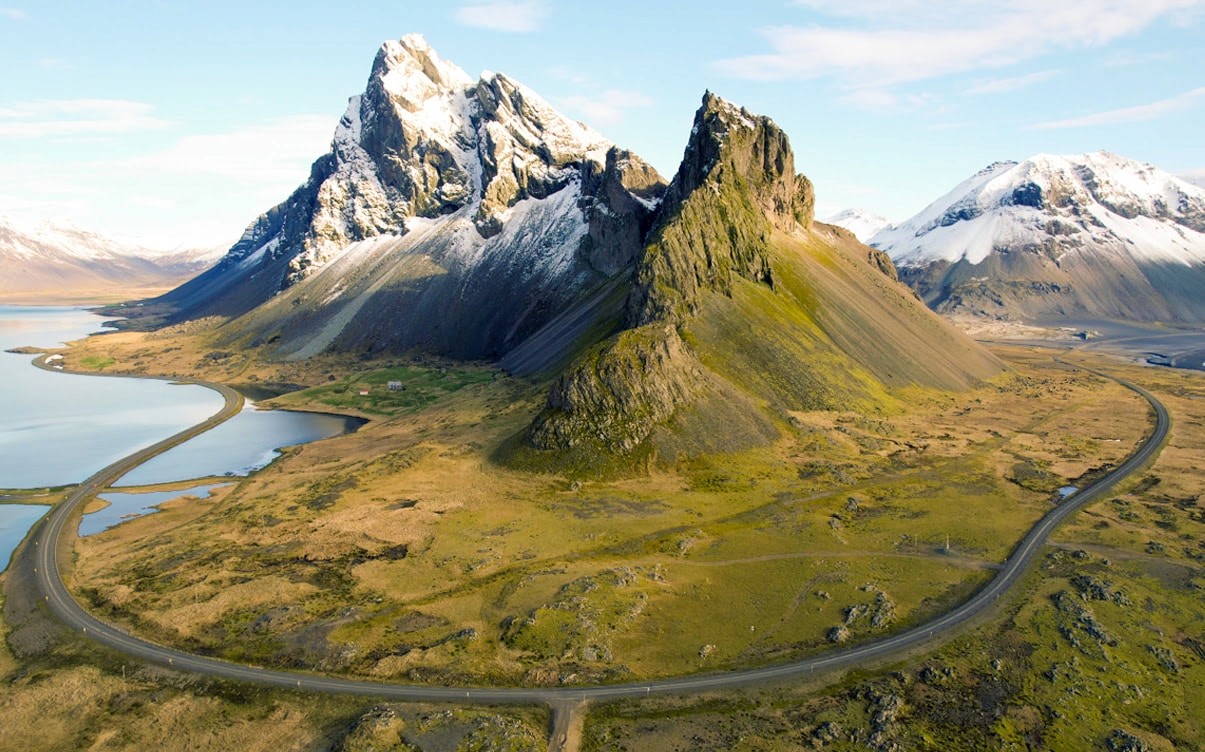
September light casts a golden glow over the South Coast waterfalls, making this route one of Iceland's most rewarding drives. Thinner crowds than summer mean you can linger longer at each stop, feeling the mist and hearing the roar without jostling for space.
● Seljalandsfoss — walk behind the falling curtain of water
● Skogafoss — climb the steps for a sweeping coastal view
● Vatnajokull ice cap — join glacier hiking tours across ancient blue ice
● Jokulsarlon glacier lagoon — drift among floating icebergs at sunset
The lagoon itself feels almost otherworldly in autumn, its icebergs glowing amber and blue as they slowly drift toward the sea, occasionally washing up like sculptures on the nearby Diamond Beach.
Snaefellsnes Peninsula and remote Westfjords
West of Reykjavik, the Snaefellsnes Peninsula offers a compact yet dramatic taste of Iceland's diversity. Often called "Iceland in miniature," it packs volcanoes, black sand beaches and fishing villages into a single day trip.
● Snaefellsjokull glacier-capped volcano views
● Kirkjufell mountain's iconic silhouette
● Coastal cliffs alive with seabirds before migration
Numerous Snaefellsnes Peninsula tours depart from the capital, making it accessible even for travelers with limited time. For those craving true solitude, the Westfjords reward the extra effort with untouched fjords, cascading waterfalls and near-empty roads. This remote corner remains one of Iceland's best-kept secrets, offering rugged cliffs, quiet fishing hamlets and a profound sense of wilderness rarely matched elsewhere in the country.
Activities and Local Culture in September
Whale watching and glacier hiking tours
September delivers some of the year's most rewarding whale watching tours, with calmer seas and fewer crowds making sightings feel intimate rather than rushed. Husavik, often called the whale watching capital of Iceland, remains the top launch point for boats heading into Skjálfandi Bay, where humpbacks, minke whales, and occasionally blue whales still linger before migrating south. Crisp autumn air sharpens visibility, giving travelers a genuine shot at unforgettable close encounters.
Inland, glaciers take on a different character this month. Guided hiking tours across ice caps like Sólheimajökull or Vatnajökull benefit from stable weather windows before winter storms arrive, letting visitors explore crevasses and blue-ice formations in relative safety. Pairing a coastal whale excursion with a glacier trek captures both extremes of Iceland's dramatic landscape in a single trip — see our autumn tours and excursions for departures throughout the month.
Sheep round-up traditions and autumn festivals
September also marks réttir season, when farmers organize sheep and horse round-ups across the countryside. These centuries-old gatherings bring communities together to herd animals down from highland pastures, followed by lively sorting events, shared meals, and singing. Visitors are often welcomed to observe or even lend a hand, experiencing a slice of rural Icelandic life rarely seen by typical tourists.
Meanwhile, Reykjavik buzzes with cultural energy. The Reykjavik International Film Festival draws cinephiles and filmmakers from around the globe, screening bold, independent works in intimate venues throughout the city. Nearby, the striking Harpa Concert Hall hosts concerts, talks, and art exhibitions that showcase Iceland's creative pulse. Together, these autumn traditions and urban festivities reveal a side of the country defined by community, artistry, and authentic seasonal rhythm.
What to Pack for Iceland's Shoulder Season
September in Iceland means unpredictable weather, so your packing list needs to handle everything from bright sunshine to sudden sleet within the same afternoon. Layering is the golden rule, and versatility is key since you'll likely be hiking one day and soaking in a geothermal lagoon the next.
Essential waterproof and windproof layers
A quality waterproof and windproof outer shell is non-negotiable this time of year. Pair it with a fleece or wool mid-layer and a moisture-wicking base layer for maximum flexibility. Conditions can shift in minutes, so being prepared to add or remove layers quickly will keep you comfortable no matter what the sky decides to do.
● Waterproof and windproof jacket
● Fleece or wool mid-layer
● Thermal base layers (top and bottom)
● Waterproof pants for hiking days
● Warm hat, gloves, and a buff or scarf
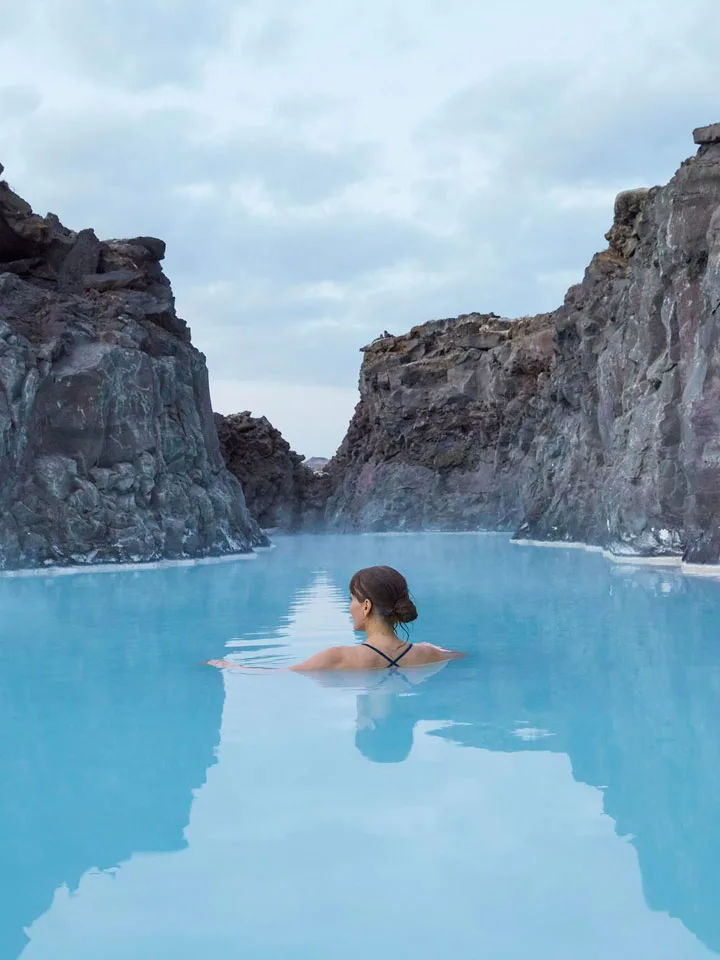
● Swimsuit and quick-dry towel for the Blue Lagoon or Sky Lagoon
Footwear for hiking and highlands
Sturdy, broken-in hiking boots with good ankle support and waterproofing are essential for uneven trails, wet lava fields, and highland terrain. Pack wool hiking socks to prevent blisters, plus a lightweight pair of shoes for city strolls in Reykjavik. Sandals or flip-flops are also handy for moving comfortably around the changing rooms at thermal spas. For a complete rundown of gear, layering strategies, and lagoon essentials, see our full guide to what to pack for an Iceland trip in any season.
September Shoulder Season vs Other Months
Month | Avg. Temperature | Daylight Hours | Price Level | Crowd Level |
August | 50-57°F (10-14°C) | 14-17 hours | High (peak summer) | Very High |
September | 45-52°F (7-11°C) | 10-14 hours | Moderate | Moderate |
October | 39-46°F (4-8°C) | 8-11 hours | Low | Low |
September vs August: crowds and prices
August marks the tail end of peak summer, meaning packed tour buses, fully booked accommodations, and premium rates on car rentals and hotels. September, as a true shoulder season month, sees a noticeable drop in tourist numbers once schools reopen abroad. Travelers exploring the same routes—the Golden Circle, South Coast waterfalls, or Snæfellsnes Peninsula—enjoy shorter queues and easier last-minute bookings, often at 20-30% lower prices than August rates.
September vs October: weather and daylight trade-offs
By October, deeper into autumn, daylight shrinks further and temperatures drop closer to freezing, increasing the risk of road closures in highland areas. September strikes a middle ground: stable weather windows still allow for hiking and glacier tours, while nights grow dark enough for reliable aurora viewing. Rain is common in both months, but September's milder conditions make outdoor activities more comfortable.
Choosing the right month depends on personal priorities:
● Warmth and long daylight: August remains the top pick despite higher costs.
● Northern lights and budget balance: September offers the best combination of visibility and value.
● Solitude and dramatic autumn scenery: October rewards those willing to trade daylight and mild temperatures for near-empty landscapes.
Frequently Asked Questions
Is September a good time to visit Iceland?
Yes — Iceland in September is widely considered the best shoulder season month, balancing manageable weather with fewer crowds and lower prices than summer. Attractions along the Ring Road and Golden Circle feel noticeably quieter, hotel and car rental rates dip from peak summer levels, and daylight remains long enough for full days of sightseeing.
Can you see the northern lights in Iceland in September?
Yes, September is the first month since spring when nights grow dark enough for aurora sightings. As daylight hours shrink to around 11-13 hours, skies darken sufficiently after 10 PM for the northern lights to become visible, especially away from city light pollution. Checking a real-time aurora forecast alongside clear skies greatly improves your odds.
What is the weather like in Iceland in September?
According to the Icelandic Met Office, average September temperatures in Reykjavik range from 7°C to 12°C (45°F-54°F), with rainfall increasing gradually as the month progresses. Weather conditions can shift quickly, from bright sunshine to sudden showers within hours, so travelers should pack for a mix rather than trust a single forecast.
Are Iceland's F-roads and highlands open in September?
Most highland F-roads remain open through early-to-mid September, though road conditions can deteriorate rapidly as autumn storms arrive. Many routes officially close by late September or early October once authorities deem them unsafe for standard traffic. Always check current road conditions before heading into the interior, and travel with a proper 4x4 in hand.
Is it better to visit Iceland in early or late September?
Early September still feels like summer's tail end, with longer daylight hours and lingering green landscapes, while late September brings deeper shoulder season perks: fiery autumn colors, darker skies for aurora viewing, and thinner crowds. Early visitors gain more daylight for road trips, while late-month travelers trade light for richer colors and better northern lights odds.
Do I need a 4x4 rental car to drive in Iceland in September?
A standard rental car is sufficient for driving the Ring Road in September, since the main route stays fully paved and accessible without snow or ice. A 4x4 becomes necessary only if you plan to explore highland F-roads or venture off the main route, where road conditions grow rougher as autumn weather sets in.
Conclusion: Your Iceland Shoulder Season Awaits
Iceland in September delivers a rare combination that's hard to find elsewhere: mild shoulder season weather, returning northern lights, thinning crowds, and softer prices, all wrapped in golden autumn scenery. Whether you arrive in early September for longer daylight or wait until the month's final weeks for deeper darkness and fiery foliage, this transitional window rewards travelers willing to trade peak-summer certainty for a quieter, more authentic experience.
If you're planning a trip, start mapping your route along the Ring Road, check the latest aurora forecasts, and pack smart layers for unpredictable conditions. September won't stay a secret forever — book your shoulder season adventure before the crowds catch on.