" width="43.9999991302804px"><path d="M 7.333 0.002 C 7.633 -0.008 7.787 0.018 8.036 0.193 C 8.002 0.618 7.851 0.976 7.688 1.367 L 7.513 1.799 L 7.422 2.02 C 6.754 3.652 6.114 5.295 5.544 6.964 L 6.63 6.836 L 6.646 6.465 C 6.705 5.731 6.946 5.118 7.512 4.629 C 8.115 4.207 8.868 4.146 9.573 4.265 C 10.135 4.392 10.559 4.647 10.91 5.112 C 11.345 5.941 11.444 6.953 11.221 7.866 C 10.994 8.534 10.641 8.987 10.016 9.327 C 9.328 9.591 8.677 9.59 7.983 9.355 C 7.417 9.099 7.081 8.671 6.83 8.114 C 6.697 7.768 6.629 7.399 6.63 7.028 L 6.466 7.089 C 6.241 7.157 6.042 7.181 5.808 7.196 L 5.585 7.21 L 5.417 7.219 L 5.398 7.331 C 5.363 7.528 5.326 7.725 5.289 7.922 L 5.262 8.073 C 5.232 8.237 5.201 8.401 5.17 8.565 L 5.14 8.728 L 5.11 8.882 L 5.084 9.021 C 5.034 9.136 5.034 9.136 4.913 9.215 C 4.778 9.263 4.778 9.263 4.587 9.263 L 4.602 9.013 C 4.602 8.665 4.493 8.41 4.343 8.102 L 4.274 7.953 C 4.175 7.741 4.071 7.531 3.963 7.324 C 3.884 7.156 3.884 7.156 3.884 6.964 L 3.712 6.952 C 3.154 6.87 2.63 6.599 2.132 6.346 L 2.008 6.283 L 1.712 6.134 L 1.626 6.302 C 1.471 6.603 1.316 6.904 1.161 7.205 C 1.026 7.466 0.891 7.727 0.756 7.988 C 0.691 8.112 0.628 8.237 0.564 8.362 L 0.445 8.59 L 0.341 8.793 C 0.243 8.944 0.243 8.944 0.051 9.008 C -0.023 8.789 -0.016 8.699 0.071 8.481 C 0.113 8.4 0.156 8.321 0.199 8.242 L 0.341 7.97 L 0.418 7.823 C 0.564 7.539 0.701 7.252 0.838 6.964 L 0.919 6.795 C 1.072 6.476 1.209 6.148 1.329 5.814 C 1.298 5.788 1.268 5.761 1.236 5.734 C 0.852 5.393 0.562 4.946 0.468 4.435 C 0.458 4.147 0.49 3.925 0.69 3.706 C 0.996 3.497 1.275 3.393 1.648 3.451 C 1.869 3.544 2.078 3.653 2.287 3.77 L 2.312 3.632 C 2.351 3.451 2.404 3.282 2.464 3.107 L 2.532 2.909 L 2.672 2.504 C 2.899 1.836 3.075 1.216 2.926 0.513 C 2.576 0.578 2.238 0.645 1.904 0.768 L 1.904 0.576 C 2.021 0.478 2.021 0.478 2.175 0.381 L 2.328 0.283 C 2.636 0.1 2.879 0.005 3.245 0.066 C 3.425 0.18 3.533 0.258 3.628 0.449 C 3.733 1.377 3.473 2.287 3.071 3.12 L 2.985 3.306 C 2.928 3.424 2.868 3.54 2.805 3.654 C 2.719 3.834 2.673 3.955 2.67 4.154 C 2.784 4.365 2.923 4.533 3.079 4.716 C 3.359 5.046 3.535 5.437 3.728 5.822 L 3.85 6.058 C 4.139 6.625 4.139 6.625 4.139 6.773 L 5.097 6.9 L 5.229 6.504 C 5.523 5.615 5.822 4.727 6.127 3.842 C 6.791 1.941 6.791 1.941 7.333 0.002 Z M 0.754 4.089 C 0.745 4.562 0.931 4.769 1.251 5.105 C 1.394 5.247 1.394 5.247 1.584 5.367 C 1.686 5.159 1.788 4.951 1.89 4.743 C 1.979 4.55 1.979 4.55 1.958 4.391 C 1.861 4.193 1.711 4.126 1.52 4.025 C 1.245 3.952 0.998 3.916 0.754 4.089 Z M 2.351 4.728 L 1.904 5.686 C 2.684 6.246 2.684 6.246 3.565 6.516 C 3.459 6.217 3.302 5.962 3.133 5.694 L 3.053 5.562 C 2.865 5.263 2.663 4.98 2.415 4.728 L 2.351 4.728 Z M 7.752 5.315 C 7.42 5.771 7.367 6.253 7.377 6.804 L 7.376 6.975 C 7.381 7.596 7.457 8.107 7.908 8.561 C 8.353 8.887 8.778 8.917 9.313 8.88 C 9.709 8.796 10.052 8.598 10.283 8.257 C 10.687 7.522 10.678 6.644 10.457 5.854 C 10.322 5.463 10.095 5.22 9.76 4.983 C 9.099 4.711 8.26 4.777 7.752 5.315 Z M 4.267 7.091 L 4.451 7.586 L 4.503 7.728 L 4.554 7.865 L 4.6 7.99 C 4.653 8.12 4.716 8.244 4.778 8.369 L 5.097 7.155 Z M 29.242 0.066 C 29.414 0.205 29.526 0.316 29.625 0.513 C 29.731 1.603 29.36 2.596 28.96 3.593 L 28.895 3.756 L 28.836 3.9 C 28.785 4.034 28.785 4.034 28.794 4.217 L 28.867 4.117 C 29.318 3.499 29.769 2.885 30.263 2.301 L 30.428 2.101 C 30.81 1.641 31.215 1.21 31.637 0.788 L 31.788 0.637 C 32.226 0.204 32.226 0.204 32.435 0.066 C 32.579 0.085 32.579 0.085 32.691 0.13 C 32.787 0.427 32.705 0.622 32.587 0.896 C 32.17 1.941 31.999 3.043 31.86 4.154 L 31.994 3.994 C 32.985 2.815 33.987 1.741 35.278 0.888 L 35.387 0.815 C 35.615 0.669 35.807 0.603 36.076 0.576 C 36.151 0.713 36.151 0.713 36.204 0.896 C 36.136 1.069 36.136 1.069 36.02 1.267 C 34.862 3.406 34.098 6.803 34.799 9.199 C 35.016 9.768 35.239 10.084 35.753 10.401 C 36.396 10.647 37.073 10.479 37.684 10.24 C 37.872 10.16 37.872 10.16 38.056 10.03 L 38.312 10.03 L 38.312 10.285 C 38.136 10.37 37.96 10.453 37.785 10.537 L 37.634 10.609 L 37.488 10.678 L 37.355 10.742 C 36.798 10.976 35.99 10.954 35.414 10.805 C 35.263 10.734 35.121 10.646 34.99 10.541 L 34.865 10.442 C 34.295 9.935 34.035 9.112 33.968 8.369 C 33.852 5.936 34.305 3.364 35.501 1.215 C 34.62 1.955 33.757 2.699 33.01 3.579 L 32.846 3.768 C 32.725 3.91 32.604 4.054 32.485 4.198 C 32.376 4.331 32.267 4.449 32.144 4.57 C 31.618 5.134 31.609 5.816 31.531 6.556 C 31.489 6.935 31.412 7.218 31.202 7.539 C 31.094 7.603 31.094 7.603 30.902 7.611 C 30.711 7.539 30.711 7.539 30.587 7.347 C 30.395 6.779 30.667 6.202 30.902 5.686 L 30.997 5.532 C 31.274 5.072 31.343 4.709 31.358 4.178 C 31.388 3.573 31.442 2.982 31.541 2.385 L 31.573 2.187 C 31.632 1.839 31.706 1.493 31.797 1.151 C 31.295 1.64 30.825 2.133 30.391 2.684 L 30.208 2.91 C 29.807 3.4 29.425 3.906 29.063 4.426 C 28.988 4.534 28.912 4.64 28.836 4.745 C 28.472 5.26 28.172 5.806 27.88 6.365 C 27.843 6.436 27.806 6.508 27.767 6.582 C 27.408 7.282 27.111 7.969 27.006 8.752 C 26.583 8.705 26.583 8.705 26.367 8.561 C 26.407 8.317 26.479 8.116 26.583 7.893 L 26.68 7.681 L 26.787 7.451 C 28.513 4.16 28.513 4.16 28.922 0.64 C 28.849 0.554 28.849 0.554 28.655 0.561 C 28.396 0.578 28.252 0.643 28.028 0.768 L 27.9 0.768 C 27.923 0.589 27.949 0.525 28.09 0.406 L 28.244 0.309 L 28.397 0.211 C 28.651 0.06 28.952 0.009 29.242 0.066 Z M 28.602 4.345 L 28.666 4.473 M 31.221 5.878 C 30.989 6.29 30.861 6.619 30.838 7.092 L 31.094 7.092 C 31.23 6.692 31.259 6.299 31.285 5.878 Z M 18.52 4.569 C 18.941 4.907 19.209 5.326 19.321 5.853 L 19.37 6.072 C 19.414 6.387 19.405 6.709 19.405 7.027 L 15.892 7.027 C 16.036 7.892 16.036 7.892 16.495 8.584 C 16.901 8.842 17.273 8.864 17.745 8.816 C 18.156 8.701 18.385 8.442 18.639 8.113 L 18.766 7.985 L 19.278 8.241 C 19.169 8.674 18.84 9.003 18.47 9.246 C 17.878 9.549 17.256 9.606 16.609 9.443 C 16.102 9.257 15.668 8.886 15.431 8.401 C 15.066 7.523 15.028 6.363 15.365 5.468 C 15.611 4.96 15.975 4.55 16.51 4.342 C 17.208 4.135 17.904 4.152 18.52 4.569 Z M 16.212 5.367 C 15.967 5.743 15.945 5.973 15.892 6.452 L 18.639 6.452 C 18.58 5.863 18.526 5.553 18.168 5.119 C 17.561 4.628 16.692 4.782 16.211 5.367 Z" fill="rgb(0, 0, 0)" height="10.917437449222685px" id="AGutxb3Yn" transform="translate(0 0)" width="38.31175535682081px"/><path d="M 27.593 2.235 C 27.757 2.233 27.922 2.231 28.086 2.229 C 28.232 2.235 28.232 2.235 28.296 2.299 C 28.302 2.406 28.305 2.513 28.305 2.619 L 28.306 2.826 L 28.307 3.051 L 28.312 3.522 C 28.314 3.771 28.316 4.018 28.317 4.267 C 28.318 4.506 28.32 4.744 28.323 4.983 L 28.323 5.206 C 28.329 5.655 28.376 6.061 28.615 6.451 C 28.901 6.701 29.165 6.729 29.533 6.724 C 29.854 6.691 30.101 6.584 30.31 6.334 C 30.637 5.836 30.679 5.377 30.686 4.793 L 30.689 4.571 C 30.693 4.338 30.696 4.105 30.699 3.872 L 30.706 3.397 C 30.713 3.01 30.718 2.623 30.723 2.235 L 31.426 2.235 L 31.489 7.281 L 30.851 7.281 L 30.723 6.643 L 30.564 6.85 C 30.249 7.217 29.859 7.381 29.382 7.419 C 28.878 7.44 28.475 7.331 28.08 7.01 C 27.733 6.682 27.606 6.297 27.585 5.822 L 27.586 5.622 L 27.586 5.393 L 27.587 5.148 L 27.587 4.896 L 27.589 4.235 L 27.59 3.559 C 27.591 3.118 27.592 2.676 27.593 2.235 Z M 4.407 1.214 L 4.982 1.214 L 4.982 2.299 L 6.196 2.299 L 6.196 2.938 L 4.982 2.938 C 4.988 3.423 4.995 3.909 5.002 4.394 L 5.009 4.89 C 5.012 5.127 5.016 5.364 5.02 5.602 L 5.022 5.825 L 5.025 6.034 L 5.028 6.218 C 5.047 6.403 5.091 6.541 5.174 6.707 C 5.369 6.804 5.574 6.777 5.788 6.774 L 5.925 6.774 C 6.037 6.773 6.148 6.772 6.26 6.77 L 6.26 7.345 C 5.114 7.539 5.114 7.539 4.611 7.237 C 4.212 6.816 4.254 6.338 4.261 5.789 L 4.261 5.541 C 4.262 5.326 4.264 5.11 4.266 4.895 C 4.269 4.242 4.273 3.59 4.28 2.938 L 3.577 2.938 L 3.577 2.299 L 4.28 2.299 Z M 12.2 0.064 L 12.902 0.064 L 12.902 7.345 L 12.2 7.345 Z M 33.023 0 L 33.725 0 L 33.725 7.281 L 33.023 7.281 Z M 35.003 2.235 L 35.642 2.235 L 35.642 7.281 L 35.003 7.281 Z M 1.342 0.224 L 1.549 0.235 L 1.757 0.244 L 1.916 0.255 C 1.885 0.538 1.797 0.66 1.593 0.854 L 1.436 1.004 C 1.252 1.173 1.066 1.339 0.875 1.5 C 0.757 1.6 0.757 1.6 0.639 1.752 C 0.435 1.911 0.252 1.869 0 1.852 C 0.038 1.643 0.107 1.522 0.243 1.359 L 0.352 1.227 L 0.467 1.09 L 0.69 0.821 L 0.798 0.693 C 0.904 0.566 0.904 0.566 1.024 0.384 C 1.15 0.255 1.15 0.255 1.342 0.224 Z M 30.448 0.179 L 30.64 0.184 L 30.787 0.191 C 30.739 0.631 30.411 0.869 30.112 1.169 L 29.941 1.349 C 29.527 1.768 29.527 1.768 29.29 1.826 C 29.149 1.826 29.149 1.826 28.934 1.788 C 28.974 1.568 29.056 1.437 29.193 1.262 L 29.313 1.11 L 29.438 0.953 L 29.561 0.796 C 30.057 0.165 30.057 0.165 30.448 0.179 Z M 35.003 0.128 L 35.642 0.128 L 35.642 1.022 L 35.003 1.022 Z" fill="rgb(0, 0, 0)" height="7.479521951991309px" id="sg9LEzmJ7" transform="translate(8.358 2.134)" width="35.641538703949834px"/></g></svg>)

What is the midnight sun in Iceland, and why does it turn an ordinary summer trip into something otherworldly? The midnight sun is the natural phenomenon in which the sun stays visible above or near the horizon throughout the night, bathing the Icelandic landscape in a soft golden glow instead of darkness. For travelers used to a predictable sunrise and sunset, the experience can feel almost surreal — clocks say midnight, yet the sky looks like early evening.
This guide breaks down exactly why this happens, when you can witness it, and which corners of Iceland offer the most dramatic views. You'll also discover the folklore woven around this magical time of year, practical advice for coping with endless daylight, and how it compares to Iceland's opposite extreme: the deep winter darkness that draws visitors chasing the northern lights.
Whether you're planning a summer road trip along the Ring Road or simply curious about this unique Arctic phenomenon, understanding the midnight sun will help you make the most of Iceland's brightest season.
What Is the Midnight Sun in Iceland? A Quick Definition
The midnight sun in Iceland is a natural phenomenon that occurs when the sun remains visible in the sky throughout the night during the summer months. Because Iceland sits so close to the Arctic Circle, its high latitude allows sunlight to persist well past midnight, creating continuous daylight instead of the usual darkness most travelers expect after sunset.
The Simple Explanation
In basic terms, the midnight sun means the sky never truly goes dark. Instead of a sunset followed by night, the sun dips low toward the horizon and then rises again, bathing the landscape in a soft, golden glow for hours on end. For first-time visitors, this can feel surreal, but it's simply a seasonal effect tied to Iceland's location on the globe.
Why Iceland Experiences This Phenomenon
This happens because of the tilt of the Earth's axis combined with Iceland's proximity to the Arctic Circle. During summer, this tilt causes the sun's path to stay above or near the horizon for extended periods, resulting in extended daylight rather than the typical day-night cycle found closer to the equator.
The Science Behind the Midnight Sun
Earth's Axis Tilt Explained
To understand why the sun barely sets in Iceland during summer, it helps to picture how our planet moves through space. Earth doesn't spin perfectly upright — it leans at an angle of about 23.5 degrees. This tilt Earth axis creates the seasons we experience throughout the year. When Iceland's hemisphere leans toward the sun during summer months, the country receives continuous sunlight for weeks at a time, rather than the usual pattern of day turning into night.
Think of it like a spinning top tilted slightly on its side. As Earth orbits the sun, the northern regions tip closer to it for half the year, then away from it for the other half. This is why summer brings endless light while winter brings long stretches of darkness, sometimes called the polar night.
The Role of the Arctic Circle
The Arctic Circle is an imaginary line circling the globe at roughly 66.5 degrees north latitude. Locations north of this line experience at least one full day each year when the sun never dips below the horizon. Iceland's Arctic Circle location places most of the country just south of this boundary, with only the small island of Grímsey sitting directly on the line.
Even without crossing the Arctic Circle itself, most of Iceland enjoys near-constant daylight in summer because of its high northern position. Picture the sun tracing a wide, shallow circle across the sky instead of rising and setting in a straight arc — it dips low toward the horizon around midnight but climbs back up rather than disappearing. This visual helps travelers understand:
● Why the light never fully fades in June
● How latitude affects sunlight duration
● Why northern Iceland experiences slightly longer light than the south
When Can You See the Midnight Sun in Iceland?
The midnight sun phenomenon in Iceland is best experienced between May and August, when the sun barely dips below the horizon and the sky stays bright well into the late hours. During this window, travelers can enjoy near-endless hours of daylight, making it ideal for late-night hiking, sightseeing, or simply soaking in the glow of a sun that never fully sets. While the effect is noticeable throughout these four months, the intensity and duration of light vary significantly depending on how close you are to the peak of summer.
Summer Solstice on June 21
The summer solstice June 21 marks the longest day year in Iceland, when the sun remains visible for nearly 24 hours in northern regions and barely dips below the horizon in Reykjavik. On June 21, the capital experiences roughly 21 hours of daylight, with a soft twilight glow replacing true darkness during the remaining hours. This is widely considered the best time to witness the midnight sun in its full glory, as the days surrounding the solstice offer the most dramatic and prolonged light of the entire year.
Daylight Hours by Month
As summer approaches and fades, the amount of hour daylight shifts noticeably. The table below outlines approximate sunrise and sunset times in Reykjavik from April through September, helping you pick the ideal window for your trip. If you're still weighing summer against the other seasons, our season-by-season guide to the best time to visit Iceland compares them side by side.
Month | Approximate Sunrise | Approximate Sunset |
April | 6:30 AM | 8:30 PM |
May | 4:30 AM | 10:30 PM |
June | 3:00 AM | 11:30 PM |
July | 3:30 AM | 11:00 PM |
August | 4:30 AM | 9:30 PM |
September | 6:00 AM | 8:00 PM |
As shown, June offers the most extended daylight, gradually tapering off toward September as Iceland transitions into shorter autumn days.
Best Places to Experience the Midnight Sun in Iceland
Grimsey Island and the Northernmost Tip
Grimsey Island is often regarded as the definitive stage for witnessing Iceland's midnight sun, as it sits directly on the Arctic Circle itself. Positioned at the northernmost tip Iceland has to offer, this small, wind-swept island rewards travelers who make the journey with an unfiltered view of the sun hovering just above the horizon during the summer solstice. Because the island straddles the Arctic Circle, visitors can literally stand near the Arctic Circle line, watching the sky glow in soft golden and pink hues without the sun ever fully setting. The isolation of Grimsey adds to the experience, with dramatic sea cliffs, seabird colonies, and an almost otherworldly stillness that amplifies the sense of standing at the edge of the map.
Akureyri, Isafjordur and the Westfjords
For those seeking a more accessible yet still remarkable encounter with continuous daylight, the towns south Arctic Circle of Grimsey provide excellent alternatives. Akureyri, often called the capital of the north, offers extended daylight hours throughout June and July, allowing visitors to explore fjords, waterfalls, and botanical gardens well past midnight. Similarly, Isafjordur, nestled in the heart of Westfjords Iceland, presents a striking contrast of steep mountains and narrow fjords bathed in perpetual light.
The Westfjords region as a whole is celebrated for its remoteness and untouched scenery, making it a compelling destination for midnight sun observation. Key highlights include:
● Panoramic fjord views from elevated coastal roads
● Quiet fishing villages illuminated by low-angle sunlight
● Opportunities to see wildlife active during the bright night hours
Jónsmessa and the Cultural Side of the Midnight Sun
Folklore of the Summer Solstice Night
Long before modern calendars dictated the rhythm of life, Icelanders looked to the sky and the land to mark the turning of the seasons. Jónsmessunótt, or Jónsmessa night, falls on June 24th and has long been considered one of the most magical nights of the year. According to ancient belief, this is when cows gain the power of speech, seals momentarily take human form, and rolling naked in the dew is said to cure ailments and restore youthful vigor. Folklore also warns that certain plants gathered under the midnight sun on this night hold extraordinary healing properties. These legends reveal how deeply Icelanders once intertwined the natural world with mysticism, using the endless light of the solstice as a backdrop for stories passed down through generations.
Modern Celebrations and Festivals
While few Icelanders today roll in the dew expecting miracles, the spirit of Jónsmessa endures. The Summer Solstice Festival has become a beloved modern tradition, drawing locals and travelers alike to bonfires, music, and communal gatherings that stretch late into the glowing night. These events celebrate both heritage and the simple joy of daylight without end. Throughout the summer months, communities across Iceland host outdoor concerts, art walks, and midnight hikes, embracing the sun as a symbol of renewal. Whether through ancient superstition or contemporary festivity, the midnight sun remains woven into the cultural fabric, connecting present-day Icelanders to the folklore of their ancestors.
Things to Do During the Midnight Sun
Road Trips Along the Ring Road and Golden Circle
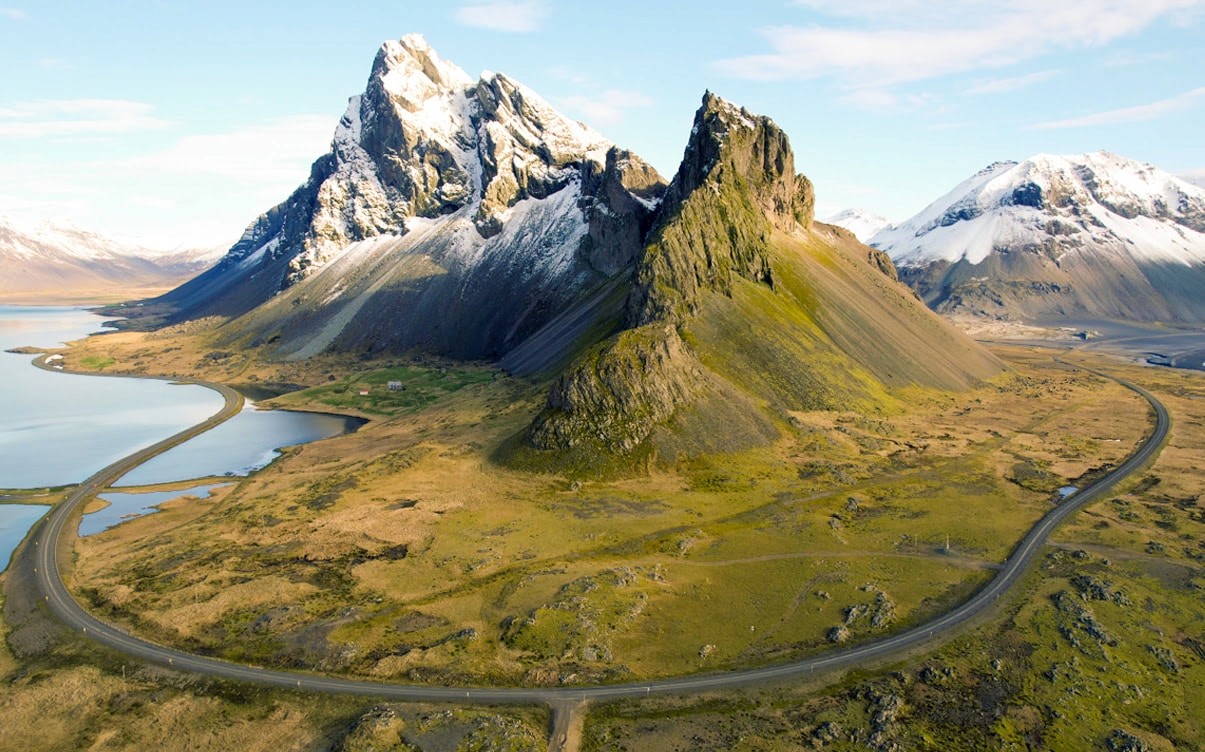
The endless daylight of Iceland's summer transforms road trips into an entirely different experience, as travelers can drive the Ring Road at nearly any hour without losing visibility. This iconic route circles the island, connecting dramatic landscapes with the added benefit of golden light stretching well past midnight. Closer to Reykjavik, the Golden Circle remains one of the most popular routes, weaving through Thingvellir National Park, where visitors walk between tectonic plates, and continuing to Gullfoss, a thundering waterfall fed by glacial meltwater. Along the southern coast, Seljalandsfoss and Skogafoss offer two more unmissable stops, their cascading waters glowing under the extended sunlight. Further east, the Jokulsarlon glacier lagoon becomes especially memorable during these long daylight hours, as icebergs drift quietly across the water, reflecting the soft, golden hue of the midnight sun.
Whale Watching, Golf and the Midnight Sun Run
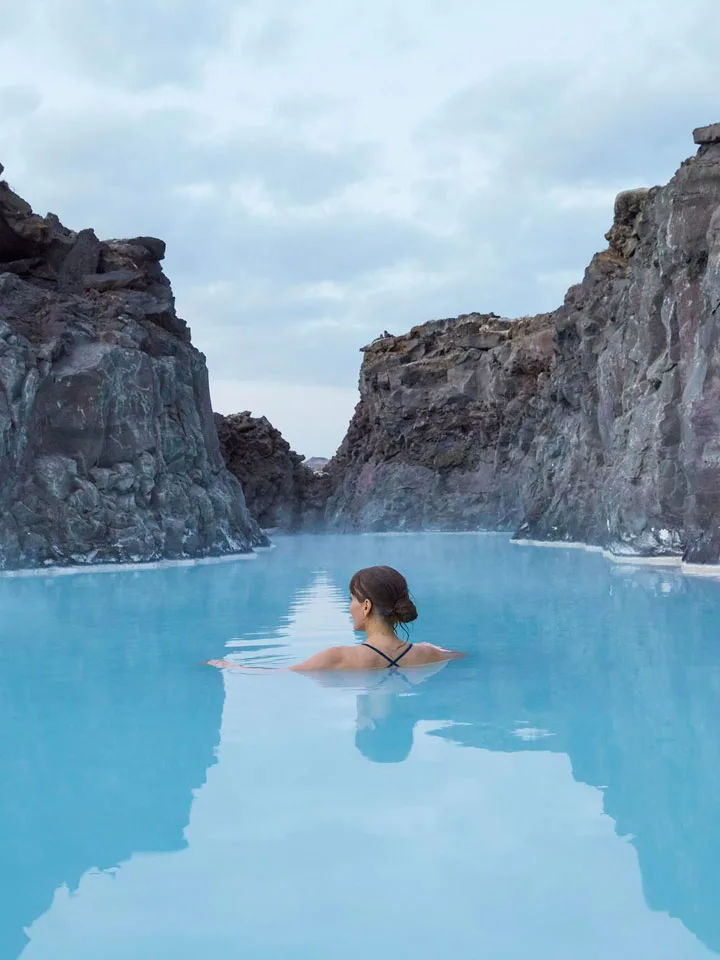
Beyond scenic drives, summer in Iceland opens the door to activities that simply aren't possible during darker months. Whale watching tours benefit from calmer seas and extended daylight, giving travelers a better chance to spot humpbacks and dolphins along the coastline — you can book one directly through our summer tours and excursions. For those seeking something more active, the Midnight sun run draws participants from around the world to jog through Reykjavik under a sky that never fully darkens. Golf enthusiasts, meanwhile, gather for the Arctic Open golf tournament, played entirely under natural light regardless of the late hour. After a day full of movement, many choose to unwind at the Blue Lagoon or Sky Lagoon, soaking in geothermal waters while continuous daylight paints the sky in soft, lingering shades.
Practical Tips for Sleeping and Photography
Coping with Constant Daylight: Sleep Masks and Blackout Curtains
Visiting Iceland during the midnight sun season means your body clock will face a real challenge. Without natural darkness signaling bedtime, many travelers struggle to fall asleep despite feeling exhausted. The good news is that a few simple tools can make a huge difference in your rest quality.
● Pack a quality sleep mask — this is the single most effective item for blocking bright light and tricking your brain into recognizing nighttime, even at 2 a.m. when the sun is still shining.
● Check if your accommodation offers blackout curtains, as many Icelandic hotels and guesthouses now install them specifically for summer visitors dealing with endless daylight.
● If curtains aren't available, bring portable blackout fabric or clips to cover windows in rental cars, cabins, or Airbnb stays.
● Stick to a consistent sleep schedule, going to bed and waking up at the same times regardless of how bright it looks outside.
A sleep mask is only one item on a much longer list — see what to pack for an Iceland trip in any season before you start filling your suitcase.
Capturing the Golden Hour That Never Ends
For photographers, the midnight sun transforms Iceland into a dream destination. Instead of a brief window at sunrise or sunset, the golden hour stretches for hours, sometimes lasting nearly the entire night. This soft, warm light bathes waterfalls, mountains, and coastlines in a glow that's impossible to replicate elsewhere.
● Plan shoots between 9 p.m. and 3 a.m. for the richest colors and long, dramatic shadows.
● Use a tripod to stabilize shots during lower-light moments, even though true darkness never fully arrives.
● Scout locations in advance, since the extended golden hour gives you flexibility to revisit spots multiple times for the perfect frame.
● Stay patient — the light shifts subtly throughout the night, rewarding photographers who wait for that ideal, bright yet gentle glow.
Midnight Sun vs Winter Darkness in Iceland
Iceland's relationship with light is a story of extremes. While summer brings endless daylight, winter swings the pendulum entirely in the opposite direction, offering one of the most striking natural contrasts found anywhere in the Northern Hemisphere.
Contrast with the Winter Solstice
Around the winter solstice, Iceland experiences barely four to five hours of weak daylight, with the rest of the day submerged in near-total darkness. This extended night isn't a drawback for travelers—it's the prime season for chasing the aurora borealis in Reykjavik, as clear, dark skies are essential for visibility. Essentially, Iceland offers two polar-opposite seasonal identities: one bathed in perpetual sun, the other wrapped in long, star-filled darkness.
How Iceland Compares to Other Arctic Countries
Iceland isn't alone in offering this phenomenon. Countries touching or crossing the Arctic Circle—including Norway, Sweden, Greenland, and Alaska—also experience midnight sun during their respective summers. However, Iceland's compact size and accessible infrastructure make witnessing this Circle-defined event notably easier than in Norway's fragmented fjords or Alaska's vast wilderness. Greenland offers dramatic scenery but with far less accessibility, while Sweden's midnight sun is often confined to its northernmost regions.
● Iceland: nationwide midnight sun, easy access
● Norway: strong in northern coastal areas
● Sweden: limited to Arctic north
● Greenland: remote but visually striking
● Alaska: vast but logistically demanding
This blend of accessibility and consistency reinforces Iceland's unique standing among Arctic destinations.
Frequently Asked Questions
Does the sun set in Iceland in June?
Around June 21, the summer solstice, the sun barely dips below the horizon in most of Iceland, and in northern regions it doesn't fully set at all. Daylight hours stretch to nearly 24 hours, with only a brief golden twilight replacing true darkness before the sun rises again shortly after.
Can you sleep during the midnight sun in Iceland?
Yes, but it takes preparation. Since natural darkness never fully arrives, many travelers rely on a sleep mask or blackout curtains to trick their body into resting. Without these tools, the constant daylight can disrupt normal sleep cycles and leave visitors feeling wired despite being tired.
What is the best time to see the midnight sun in Iceland?
The best time falls around the summer solstice on June 21, when the phenomenon reaches its peak intensity. However, the effect is noticeable throughout the summer months, roughly from mid-May to early August, giving travelers a generous window to plan their visit.
Where is the best place in Iceland to experience the midnight sun?
Grimsey Island, sitting directly on the Arctic Circle, offers the most dramatic and unobstructed views of the midnight sun. Akureyri and Isafjordur in the north are also excellent choices, providing stunning fjord and mountain backdrops while still being easily accessible compared to remote Arctic Circle locations.
Is the midnight sun only visible in Iceland?
No, the midnight sun is a natural phenomenon that occurs across the entire Northern Hemisphere at latitudes near or above the Arctic Circle. Countries like Norway, Sweden, Finland, and parts of Alaska and Canada experience the same effect, though Iceland remains one of the most accessible places to see it.
What causes the midnight sun phenomenon?
The midnight sun is caused by the tilt of Earth's axis, roughly 23.5 degrees, combined with Iceland's high latitude near the Arctic Circle. During summer, this tilt keeps the region angled toward the sun continuously, preventing it from dropping fully below the horizon for weeks at a time.
Conclusion
The midnight sun in Iceland is far more than a curious travel fact — it's a genuine natural spectacle rooted in the tilt of Earth's axis and Iceland's proximity to the Arctic Circle. From late May through August, the sun barely dips below the horizon, gifting travelers with nearly endless daylight, rich folklore tied to Jónsmessa, and unforgettable opportunities for road trips, photography, and late-night exploration in places like Grimsey Island and Akureyri.
Now that you understand what causes the midnight sun, when to see it, and how to prepare for constant daylight, you're ready to plan a summer visit around this phenomenon. Book a room with blackout curtains as your base, then pair your trip with a look into Iceland's Ring Road, the Blue Lagoon, or even the contrasting winter northern lights season to experience the full range of what this Arctic island has to offer.